Strength Training for Beginners: A Complete Guide
Strength training isn’t just for athletes or bodybuilders — it’s a foundation of long-term health, mobility, and functional strength for people of all ages. Whether you’re stepping into a gym for the first time or starting at home with bodyweight exercises, this guide will help you begin safely and confidently.
What Is Strength Training?
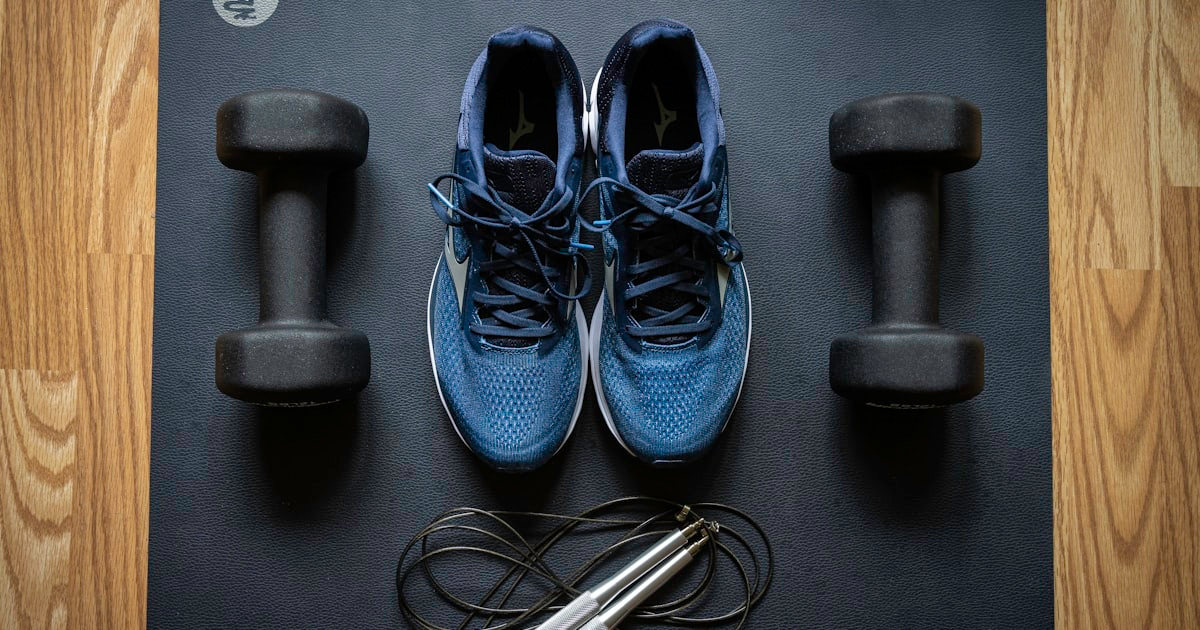
Strength training (also called resistance training) is any exercise where your muscles contract against an external resistance, like dumbbells, resistance bands, machines—or even your own body weight. This muscle resistance triggers adaptations that make you stronger, improve bone density, and boost metabolic health.
Why Beginners Should Start Strength Training
Research and established health organizations recommend including strength training in your routine because it:
✔ Builds Lean Muscle & Increases Strength
Beginners experience rapid strength gains early on as the nervous system learns to recruit muscle fibers more efficiently—a phenomenon supported by resistance exercise research.
✔ Improves Bone Health
Strength training stimulates bone remodeling and can help increase bone mineral density — an important defense against osteoporosis later in life.
✔ Boosts Metabolism & Body Composition
Muscle burns more calories at rest than fat, meaning stronger muscles support higher resting metabolic rates.
✔ Supports Heart Health & Disease Prevention
Studies show that even modest amounts of resistance training can lower mortality risk and improve cardiovascular markers.
✔ Enhances Daily Functionality
Strength training makes everyday tasks—carrying groceries, climbing stairs, lifting kids or pets—easier and safer.
Getting Started: Beginner Essentials
🗓 Frequency:
Aim for 2–3 strength training sessions per week, focusing on all major muscle groups (legs, back, chest, shoulders, arms, core).
👟 Warm-up:
Start with 5–10 minutes of light cardio (like brisk walking) to prepare your body and reduce injury risk.
📏 Reps & Sets:
Begin with 1–3 sets of 8–15 reps per exercise. Choose a resistance that feels challenging by the last few reps.
📍 Technique First:
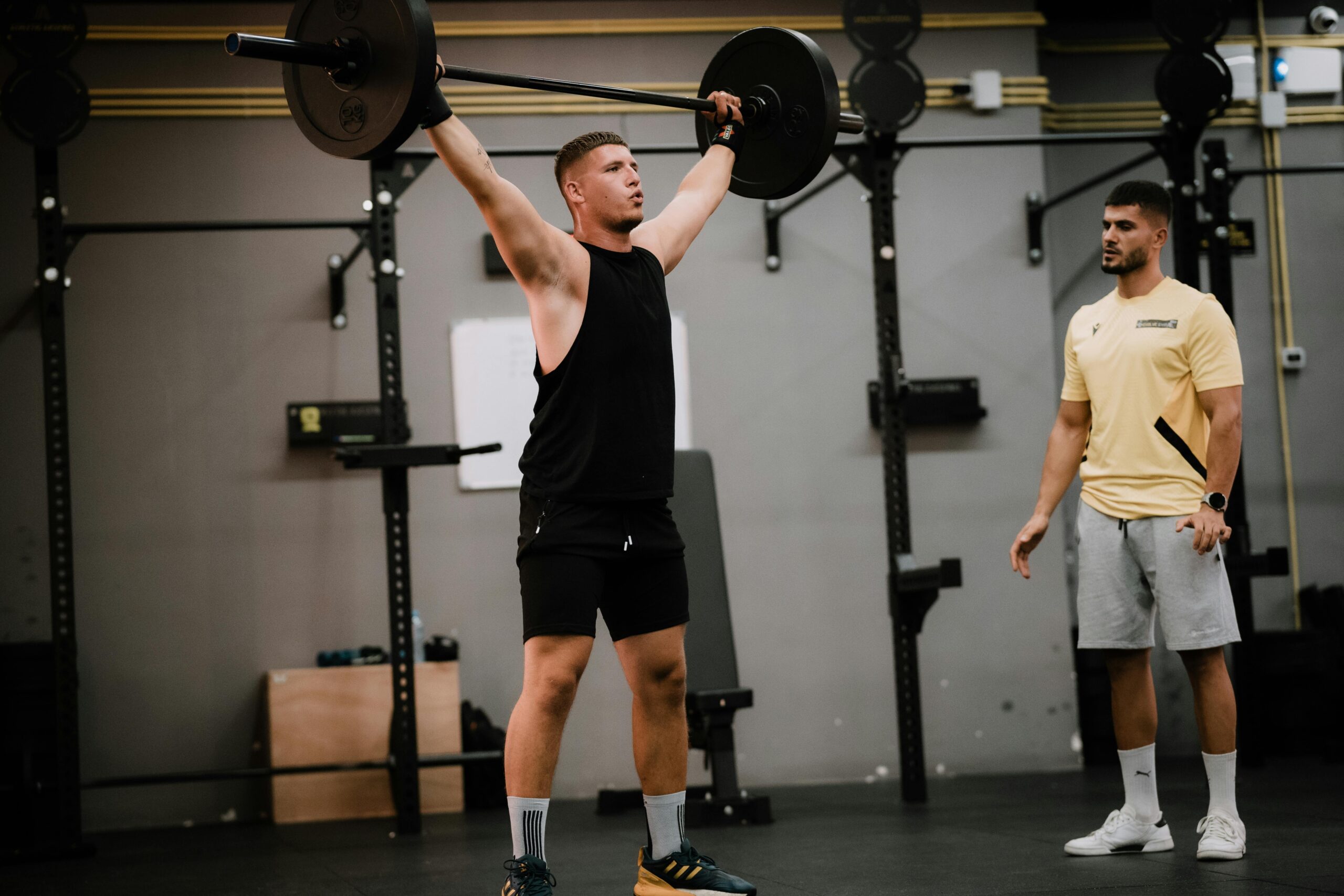
Prioritize proper form over heavy weights. Good technique prevents injury and builds a solid strength foundation.
⚖ Rest and Recovery:
Allow at least 48 hours between training the same muscle group to let your body adapt and grow stronger.
Simple Beginner Workout (No Gym Needed)
Try these moves 2–3x weekly:
- Bodyweight Squats
- Push-ups (knees or full)
- Glute Bridges
- Planks
- Bent-over Rows with Dumbbells or Bands
These build balanced strength and teach key movement patterns.
Progress Over Time
As you adapt, gradually increase intensity — either more resistance, more repetitions, or more sets. This principle, known as progressive overload, is a cornerstone of strength adaptations.
Final Thoughts
Strength training isn’t intimidating — it’s one of the most impactful, evidence-based ways to improve your long-term health, even with just a couple of sessions per week. From boosting metabolism to strengthening bones and enhancing daily function, the benefits are clear and backed by research.
- Mayo Clinic – Strength Training Basics
https://www.mayoclinic.org/healthy-lifestyle/fitness/basics/strength-training/hlv-20049447
Foundational guidance on resistance training frequency, reps, safety, and benefits. - Mayo Clinic – Strength Training: Get Stronger, Leaner, Healthier
https://www.mayoclinic.org/healthy-lifestyle/fitness/in-depth/strength-training/art-20046670
Evidence-based overview of how strength training supports overall health. - Harvard T.H. Chan School of Public Health – Strength Training & Longevity
https://www.hsph.harvard.edu/news/hsph-in-the-news/strength-training-time-benefits/
Links resistance training to reduced mortality and improved cardiovascular health. - University of Washington – Strength Training Basics
https://thewholeu.uw.edu/wellness-essentials/being-active/strength-training/strength-training-basics/
Educational (.edu) resource on beginner safety, recovery, and program structure. - National Center for Biotechnology Information (NCBI) – Resistance Training Adaptations
https://pmc.ncbi.nlm.nih.gov/articles/PMC5983157/
Peer-reviewed study on neuromuscular adaptations and early strength gains. - NCBI – Resistance Training & Bone Density
https://pmc.ncbi.nlm.nih.gov/articles/PMC6279907/
Research linking resistance training to improved bone mineral density.